New to AEO? Before diving into the comparison, read our complete primer: → What is AEO (Answer Engine Optimization)?
New to SEO? Before exploring the differences, read our beginner friendly guide: → What is SEO (Search Engine Optimization)?
AEO vs SEO: Side-by-Side Comparison of Ranking Signals and Strategy
The table below maps every major dimension of AEO against traditional SEO from ranking signals to technical requirements, content format, and user interaction model.
| Factor | SEO (Search Engine Optimization) | AEO (Answer Engine Optimization) |
| Ranking Signals | Keywords, backlinks, page speed, Core Web Vitals, domain authority, meta tags, internal links | Schema markup, entity clarity, E-E-A-T signals, structured Q&A, fact density, concise answer blocks, knowledge graph presence |
| Primary Goal | Rank in SERPs → earn clicks → drive website traffic | Be cited as the answer in AI-generated responses → earn brand visibility |
| Target Platform | Google, Bing, Yahoo (traditional search engines) | Google AI Overviews, ChatGPT, Perplexity, Gemini, Bing Copilot, voice assistants |
| Content Format | Long-form, keyword-rich pages (1,500 to 3,000+ words) covering topics in depth | Concise, structured answers (40 to 60 word answer blocks) with clear Q&A format |
| Keyword Strategy | Short-tail and long-tail keywords matched to search volume and intent | Conversational, full-sentence queries: ‘How does X work?’ or ‘What is the best Y for Z?’ |
| Success Metrics (KPIs) | Keyword rankings, organic traffic, CTR, bounce rate, time on page, domain authority | Citation frequency, AI visibility %, mention sentiment, share of model, brand impressions |
| Technical Requirements | Page speed, mobile-friendliness, Core Web Vitals, clean site architecture, crawlability | Schema.org markup (FAQPage, HowTo, Article), entity optimization, knowledge graph signals |
| Timeline to Results | 3 to 6 months to see meaningful ranking improvements (compounds over time) | Weeks content restructured for AI can appear in answers faster, but maintaining it requires consistency |
| User Interaction Model | Search → click → read (click-through traffic) | Prompt → answer (zero-click; brand visibility without a website visit) |
| Measurement Tools | Google Search Console, Ahrefs, SEMrush, Moz | Profound, Citation Radar, Topify, Conductor (AI visibility monitoring platforms) |
| Backlinks | Core ranking signal quality and quantity of referring domains matters enormously | Foundational trust signal still required to signal authority to AI, but not the primary AEO lever |
| Zero-Click Impact | Negative zero-click searches reduce CTR even when you rank #1 | Positive zero-click is where AEO wins; being the cited answer is the goal |
What is KPI Differences Between AEO Vs SEO
The most fundamental difference in how SEO and AEO are measured is this: SEO measures how many people you bring to your website. AEO measures how often your brand is the trusted answer with or without a click.
Traditional SEO KPIs are action-oriented and click-dependent. AEO KPIs measure presence, influence, and citation authority across AI platforms. Here is the full side-by-side breakdown:
| KPI Category | SEO KPI | AEO KPI |
| Primary KPI | Keyword ranking position (1 to 10 in SERPs) | Citation frequency (mentions across AI platforms) |
| Traffic KPI | Organic sessions / unique visitors | AI-referred traffic + branded search lift |
| Visibility KPI | SERP impressions (Google Search Console) | AI Visibility % (share of target prompts where brand appears) |
| Authority KPI | Domain Rating / Domain Authority (Ahrefs/Moz) | Entity trust score, knowledge graph strength |
| Engagement KPI | Bounce rate, time on page, pages per session | Citation quality (is your data used vs. just linked?) |
| Conversion KPI | Organic leads, sales, conversion rate from organic | Assisted conversions from AI-influenced sessions |
| Share KPI | Market share of ranked keywords vs. competitors | Share of model (% of AI answers where brand is cited vs. competitors) |
| Sentiment KPI | Star ratings, reviews (indirect signal) | Mention sentiment analysis (positive/neutral/negative tone in AI responses) |
A critical insight from 2026 data: a page ranking in position three may be cited frequently in AI Overviews, while a page ranking first is completely ignored if its content lacks extractability or clear trust signals. Ranking position is a precondition for AEO consideration, but it is not a guarantee of citation.
AEO vs SEO Strategy: Content, Structure, and Tactics Compared
SEO and AEO are not competitors. AEO relies on the technical foundation that SEO builds crawlability, domain authority, site speed, and internal link architecture. Without solid SEO, AI systems cannot find, index, or trust your content. But strong SEO alone is no longer enough to earn AI citations. The following table compares how each strategy approaches the core elements of content creation:
| Strategy Element | SEO Approach | AEO Approach |
| Content Length | Long-form (1,500 to 3,000+ words); depth signals authority | Answer blocks (40 to 60 words per Q); conciseness signals usefulness |
| Heading Structure | Keyword-optimized H1, H2, H3 headings; topic clusters | Question-based H2s/H3s (mirror conversational queries) |
| Structured Data | Important (Article, Product, LocalBusiness schema) | Critical (FAQPage, HowTo, Speakable, Q&A schema) |
| Internal Linking | Essential for authority distribution across the site | Still valuable; helps AI map topical relationships |
| Keyword Research | Search volume + intent mapping; SEMrush, Ahrefs | Question-based, long-tail; natural language queries; PAA boxes |
| Backlink Building | Central strategy; earn links from authoritative domains | Brand mentions + PR mentions support entity trust in AI systems |
| Author Authority | Author bios helpful for E-E-A-T; not always required | Author credentials and expertise signals are critical for AI trust |
| Content Updates | Periodically update to maintain freshness signals | Frequent updates critical; AI prefers current, factual, verifiable data |
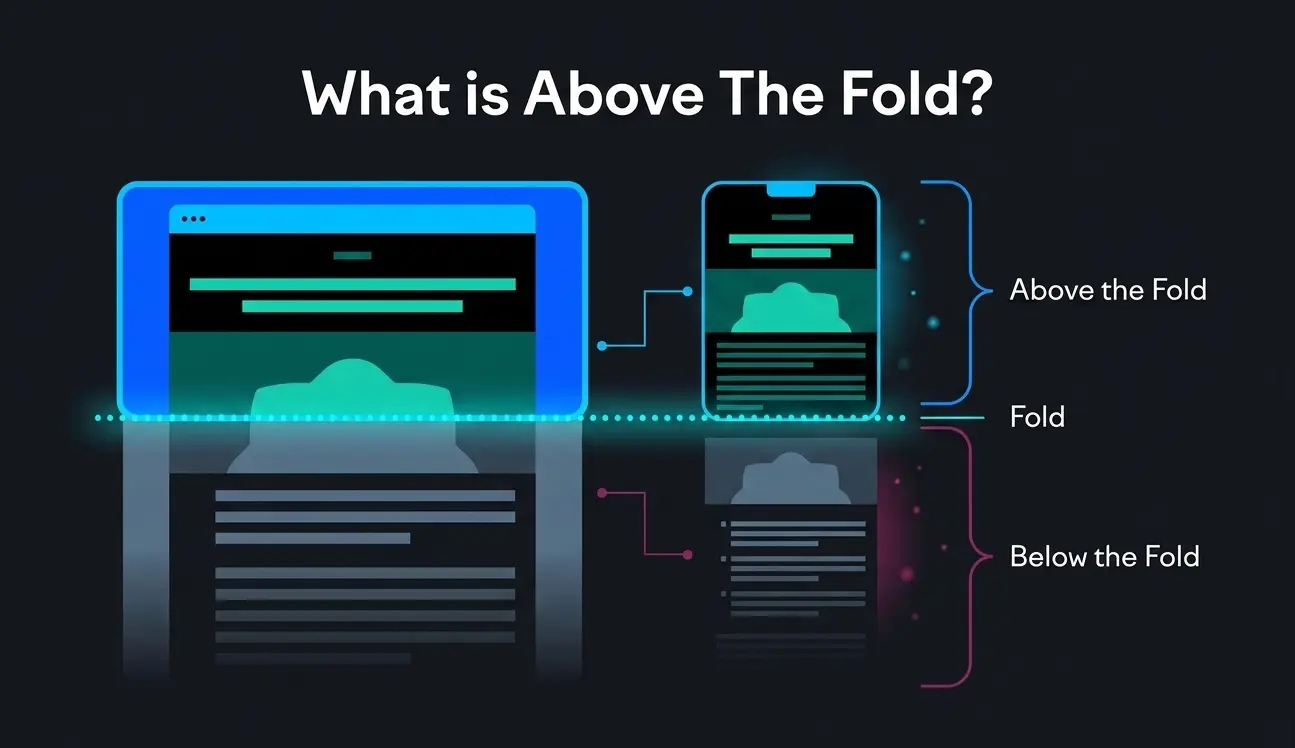
| UX Signals | Page speed, CWV, mobile UX drive rankings | Extractability (answer is scannable and front-loaded above the fold) |
AEO vs SEO: Which Should You Focus On?
The question should not be AEO or SEO it should be in what order and in what ratio. The correct starting point depends on your current situation:
Prioritize SEO first if:
- Your website has poor technical health slow load times, crawl errors, thin content, or low domain authority
- You are a new or small brand with limited organic presence
- You are in a niche where AI search tools do not yet dominate (local search, e-commerce transactions, brand-specific queries)
- You have not yet built a content library with topical depth
Prioritize AEO next (or in parallel) if:
- You have solid SEO but are seeing traffic drops despite maintained rankings this gap is almost always an AEO problem
- Your audience is actively using ChatGPT, Perplexity, or voice assistants to research in your category
- You are in an informational, B2B, or professional services niche where users ask complex questions
- Your competitors are appearing in AI Overviews and you are not
The most effective approach in 2026 is to build content that serves both disciplines simultaneously. A well-structured page with a 40 to 60 word answer block near the top, question-based headings, schema markup, and factual depth satisfies both the Google ranking algorithm and the extraction logic of AI answer engines.
Why the AEO vs SEO Debate Matters in 2026: Key Data Points
- Roughly 60% of Google searches end without a click, making AEO visibility critical even for top-ranked pages (SparkToro, 2024)
- 31% of U.S. adults now interact with AI tools multiple times per day, with 38% of adults aged 18-29 using AI as their primary information source (Pew Research Center, March 2026)
- 70% of U.S. marketers believe AEO will significantly impact their strategy, yet only 20% have begun implementation (Acquia, 2025)
- 99% of URLs cited in Google AI Mode come from the top 20 organic results confirming that SEO is the foundation AEO is built on
- Non-branded keyword CTR drops by nearly 20% when Google AI Overviews are present in the SERP (Amsive, 2024 study of 700,000 keywords)
Frequently Asked Questions: AEO vs SEO
What is the main difference between AEO and SEO?
SEO focuses on ranking your web pages in traditional search engine results so users click through to your website. AEO focuses on structuring your content to be cited as a direct answer by AI-powered systems like Google AI Overviews, ChatGPT, and Perplexity. SEO competes for position in a list of links; AEO competes to be the single extracted answer. Both share the same technical foundation, but they serve different visibility goals.
What are the most important AEO ranking signals?
The most important AEO ranking signals include Schema.org markup (especially FAQPage and HowTo schema), entity clarity and knowledge graph presence, E-E-A-T signals (Experience, Expertise, Authoritativeness, Trustworthiness), structured answer blocks of 40-60 words, question-based headings, fact density, and the consistent use of your brand name as a recognizable entity. Unlike SEO, keyword density alone has very little effect on AEO performance.
How do I measure AEO success if there are no clicks?
AEO success is measured through citation-based KPIs rather than traffic KPIs. Key metrics include citation frequency (how often your brand is mentioned across AI platforms for target queries), AI visibility percentage (the share of relevant prompts where your brand appears), mention sentiment (whether your brand is framed positively or neutrally in AI responses), and branded search lift (increases in direct branded searches attributable to AI awareness). Tools like Profound, Citation Radar, and Conductor are built specifically to track these metrics.
Is AEO worth it for small businesses?
Yes, and the opportunity is significant. AI search is less competitive than traditional SEO right now, meaning small and mid-market brands can achieve outsized visibility by targeting niche prompts where large competitors have not yet invested. The key is to focus AEO efforts on specific questions your audience actually asks in your category, then structure your content to answer those questions directly and factually. A brand with a smaller budget can still earn strong AI citation by out-structuring, not out-spending, competitors.
Do I need both AEO and SEO?
Yes, if you want strong visibility today, you need both.
- SEO (Search Engine Optimization) helps your website rank on search engines like Google.
- AEO (Answer Engine Optimization) helps your content get picked as a direct answer by AI tools and assistants like ChatGPT or voice search.
SEO brings traffic to your site, while AEO helps you own the answer. Using both ensures you don’t miss either opportunity.
What tools can you use for SEO and AEO?
You can use a mix of traditional SEO tools and newer AI-focused tools:
For SEO:
- Google Search Console: track performance and indexing
- Ahrefs: backlinks, keywords, competitor analysis
- SEMrush: keyword research and site audits
For AEO:
- ChatGPT: analyze how answers are structured
- Google Bard: understand AI-generated responses
- Schema tools (like structured data generators) to help search engines understand your content
The key difference: SEO tools focus on rankings; AEO tools focus on answer quality and structure.
Can you optimize one page for both SEO and AEO?
Yes, and you should. A well-optimized page can:
- Rank in search results (SEO)
- Appear as a featured snippet or AI-generated answer (AEO)
To do both:
- Use clear headings and structured content
- Answer questions directly (especially in FAQ format)
- Add schema markup (FAQ, How-To)
- Keep answers concise and authoritative
One page can serve both humans and AI if structured correctly.
What is the difference between SEO, AEO, and GEO?
SEO ranks your pages in traditional search results. AEO gets your content cited as a direct answer by AI systems. GEO (Generative Engine Optimization) is a sub discipline of AEO focused specifically on large language model citation ChatGPT, Gemini, Claude. In practice, AEO and GEO are used interchangeably. All three build on the same SEO foundation.
In short:
- SEO = rank pages
- AEO = answer questions
- GEO = influence AI generated content
How AEO and SEO work together
AEO and SEO aren’t competing they reinforce each other.
- SEO helps your content get discovered and indexed
- AEO ensures your content is selected as the best answer
- Strong SEO increases your authority, which improves AEO chances
- AEO improves visibility in featured snippets, voice search, and AI summaries
When combined, they help you:
- Rank higher
- Get featured more often
- Capture both clicks and direct answers
Conclusion: AEO and SEO Are Complementary, Not Competing
The brands that lead in digital search through the rest of this decade are not those that choose between SEO and AEO they are the ones that build content clear enough, structured enough, and authoritative enough to win in both environments simultaneously.
Start with the SEO foundation. Layer in AEO strategy. Track both sets of KPIs. If you are still building your understanding of AEO, our complete guide covers everything from platform-by-platform optimization to the step-by-step implementation framework.
Start with the SEO foundation. Layer in AEO strategy. Track both sets of KPIs. That is the complete search visibility playbook for 2026.